Portfolio · Poás Bioenergy
Poás Bioenergy.
From agricultural waste to clean energy and living soil
Why We Support This Project
“Improper management of agricultural waste is one of the biggest hidden emitters of CO2”
“More than 40% of the world’s agricultural soils are degraded”

How It Works
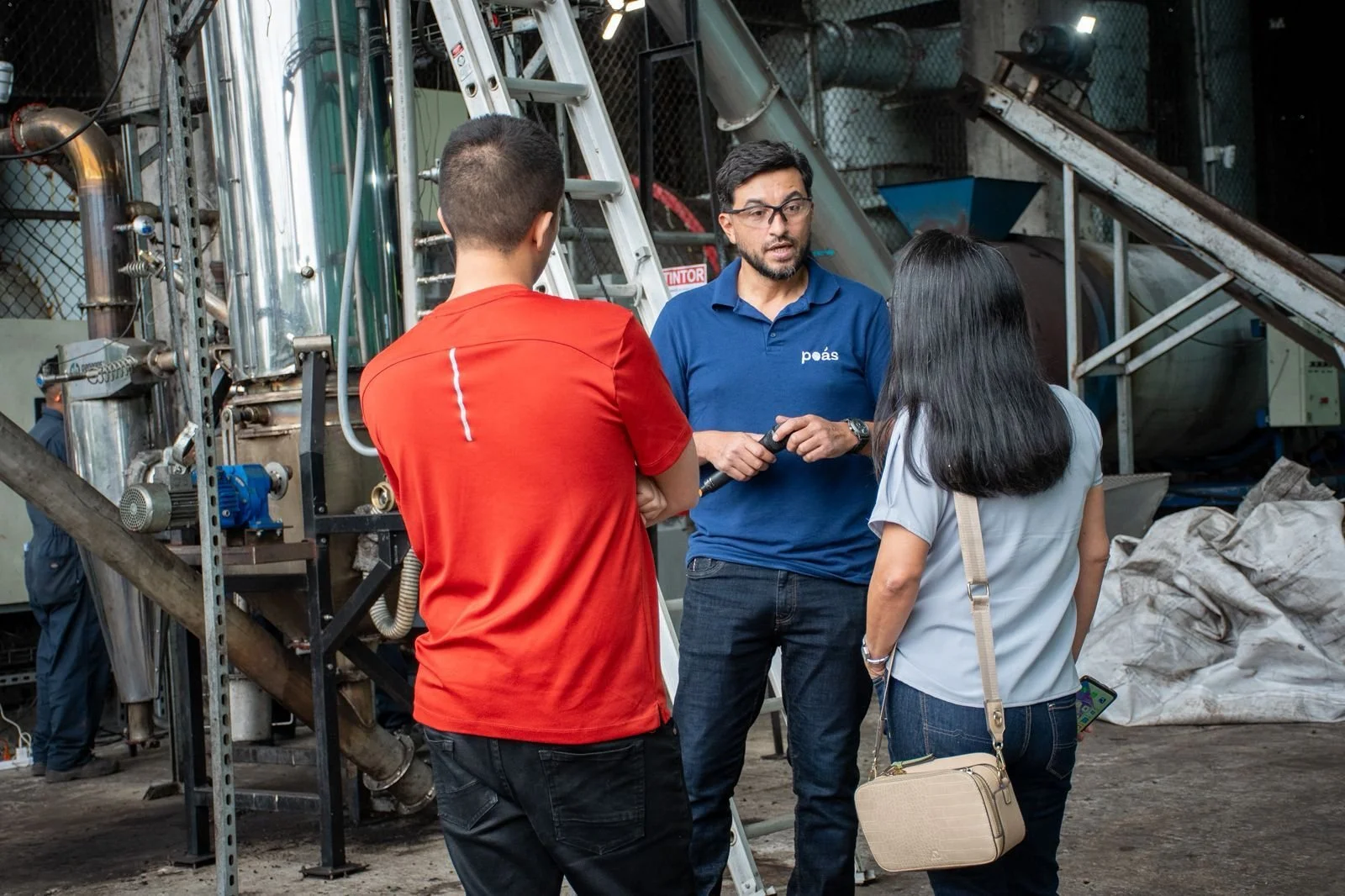
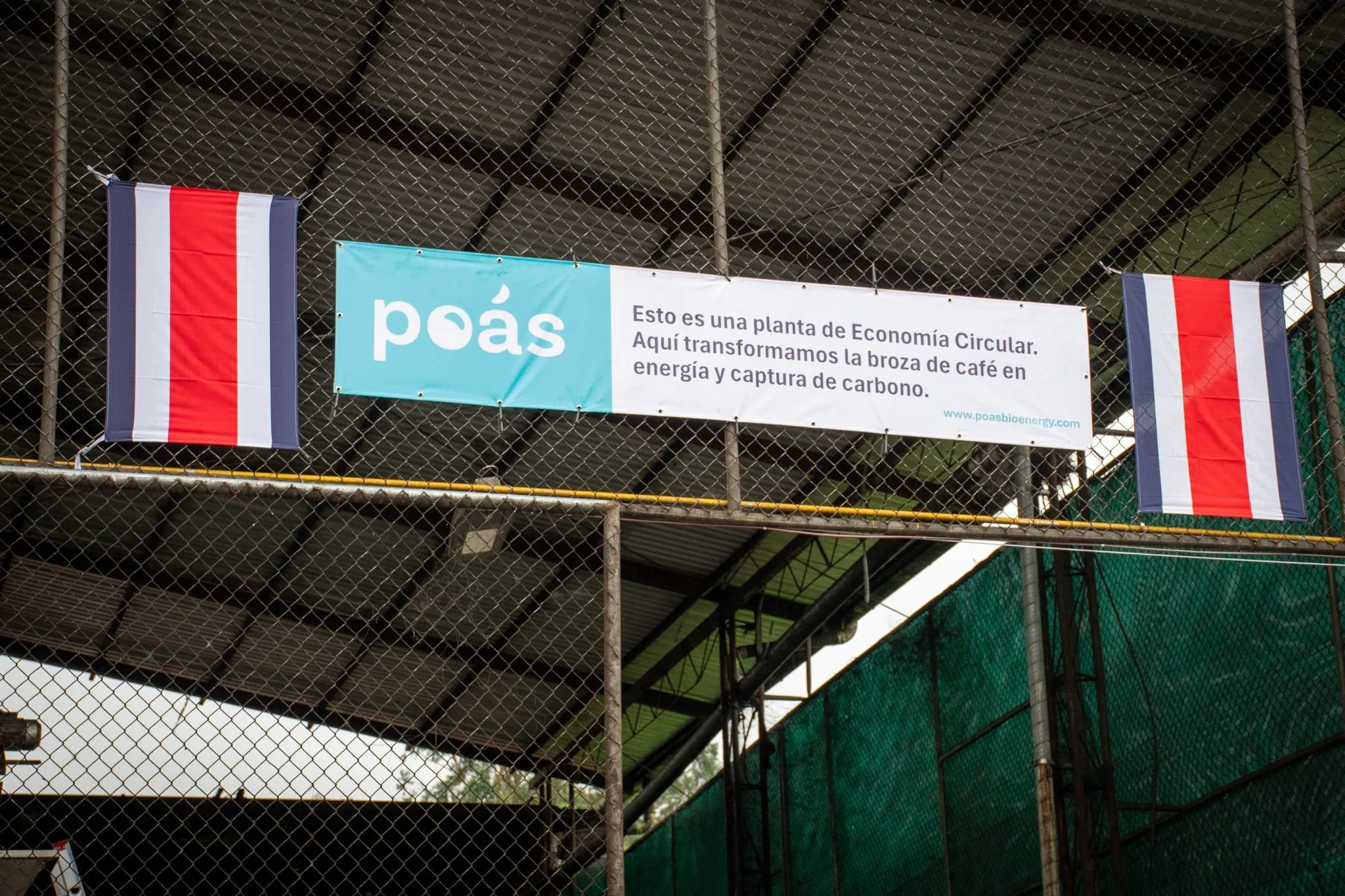
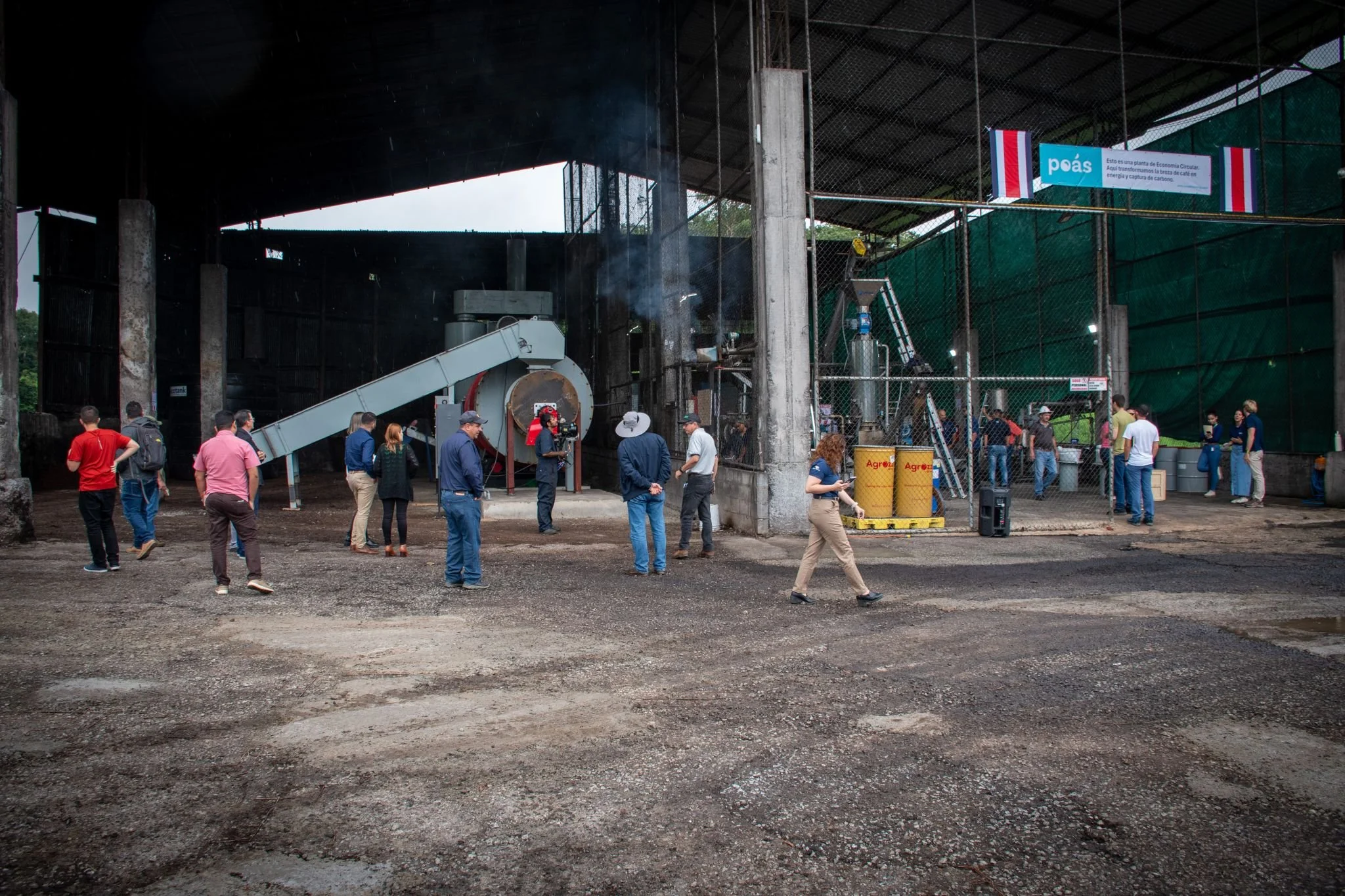
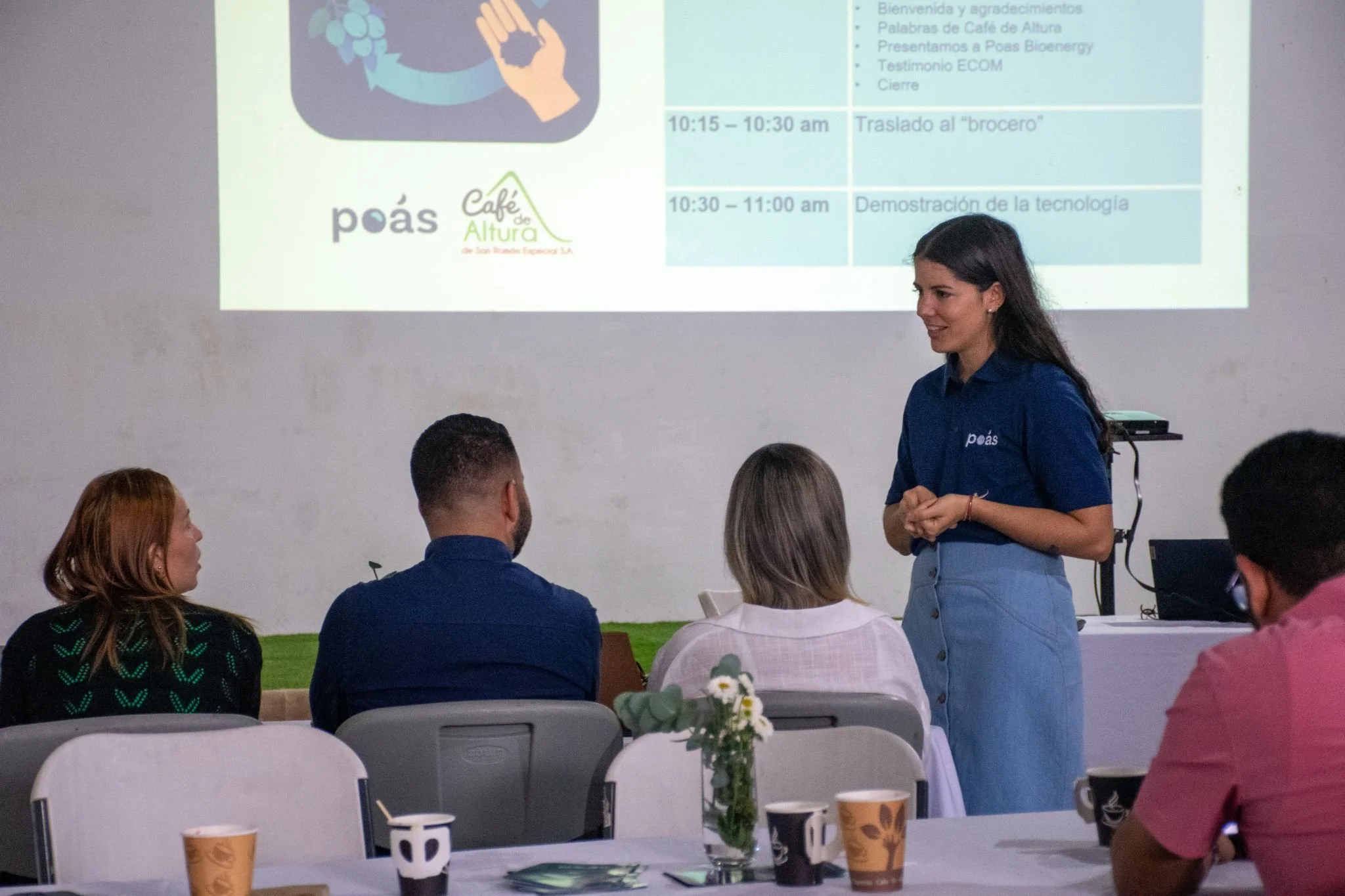
Poás has developed modular gasification systems that transform agricultural waste into two high-impact products:
Syngas → thermal or electrical energy for local use, reducing costs and CO2 emissions.
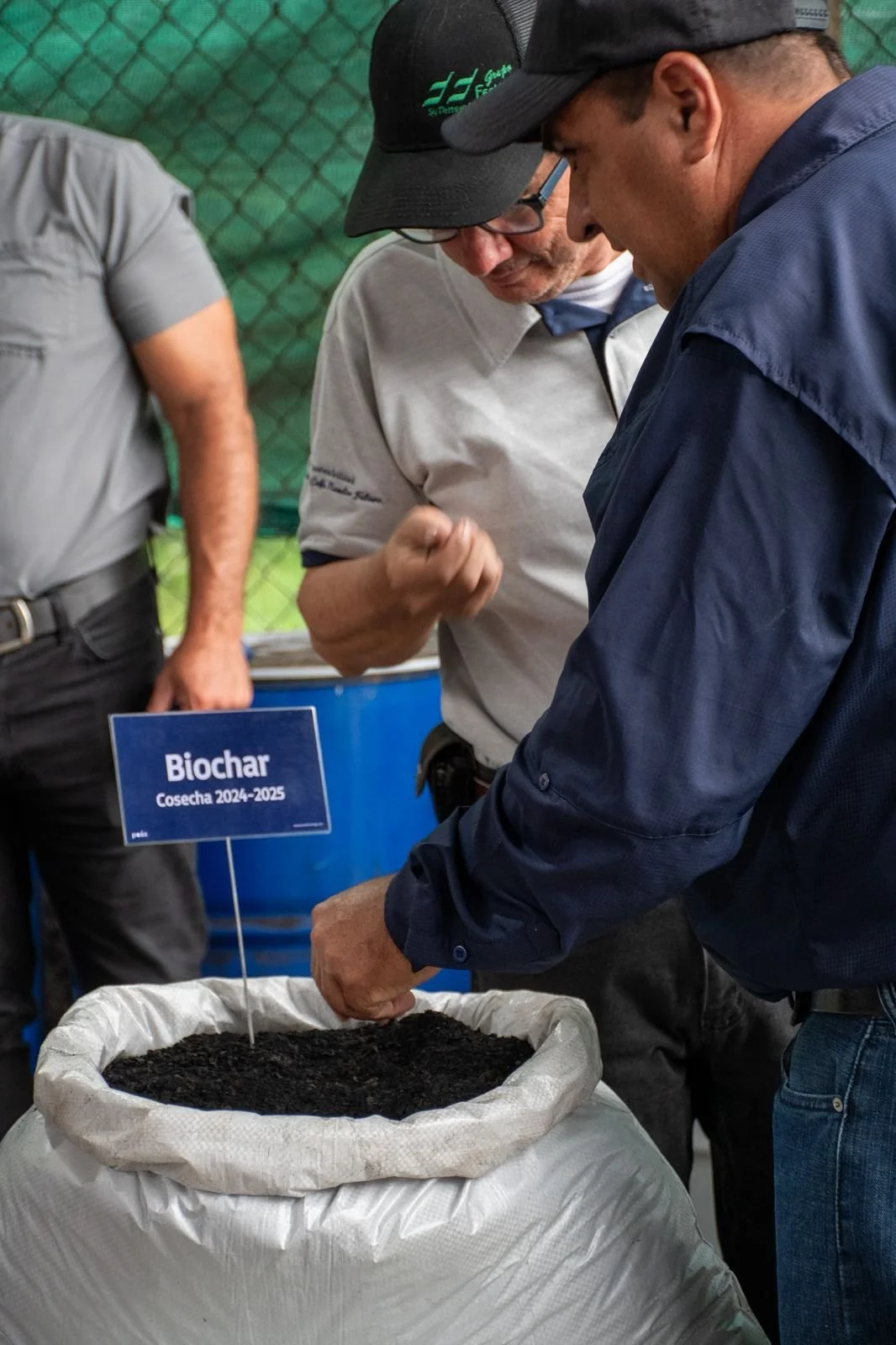
Biochar → a soil amendment that sequesters carbon for centuries and improves fertility.
Sugar-rich water → a byproduct used for biofuels.
This energy-carbon balance positions Poás as a B2B supplier for sugar mills, farms, and cooperatives, integrating into their supply chains without altering its core operations. Furthermore, the company can generate additional revenue through the issuance of CO2 credits.
Primary SDG
Goal 15. Protect, restore and promote sustainable use of terrestrial ecosystems, sustainably manage forests, combat desertification, and halt and reverse land degradation and halt biodiversity loss.Target SDG Addressed
15.3 By 2030, combat desertification, restore degraded land and soil, including land affected by desertification, drought and floods, and strive to achieve a land degradation-neutral world.Type of Impact
Mitigation, Regeneration.Impact Measurement
Tons of CO2 sequestered; hectares of regenerated soil

"We are transforming the coffee and pineapple value chains into carbon sinks, with a total carbon capture potential of 10 million tons of CO2 equivalent per year”
— Poás Bioenergy
10.000.000
tons of CO2eq
Annual CO2 capture potential
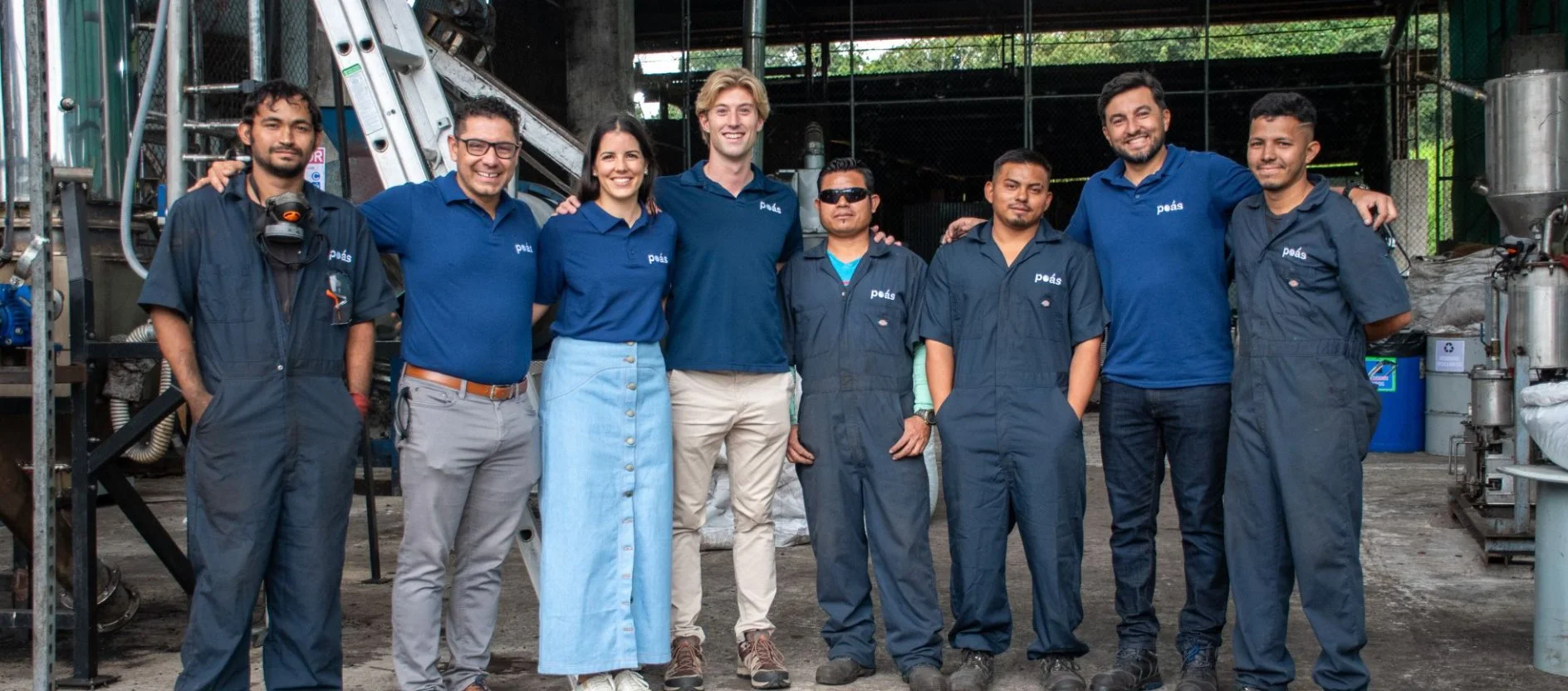
Founders
-
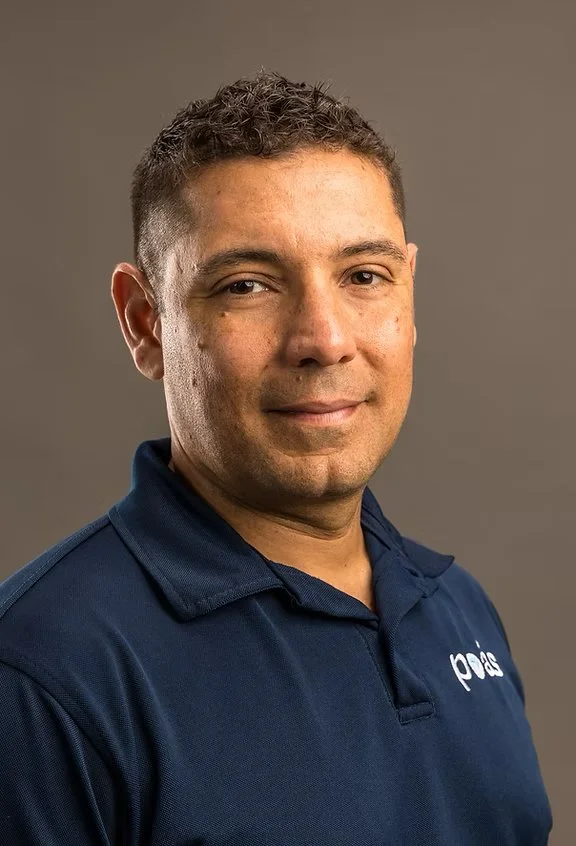
José Alfaro
Co-founder and CEO
-

Sofía Camarero
Co-founder and Operations Director